Newsletter Subscribe
Enter your email address below and subscribe to our newsletter


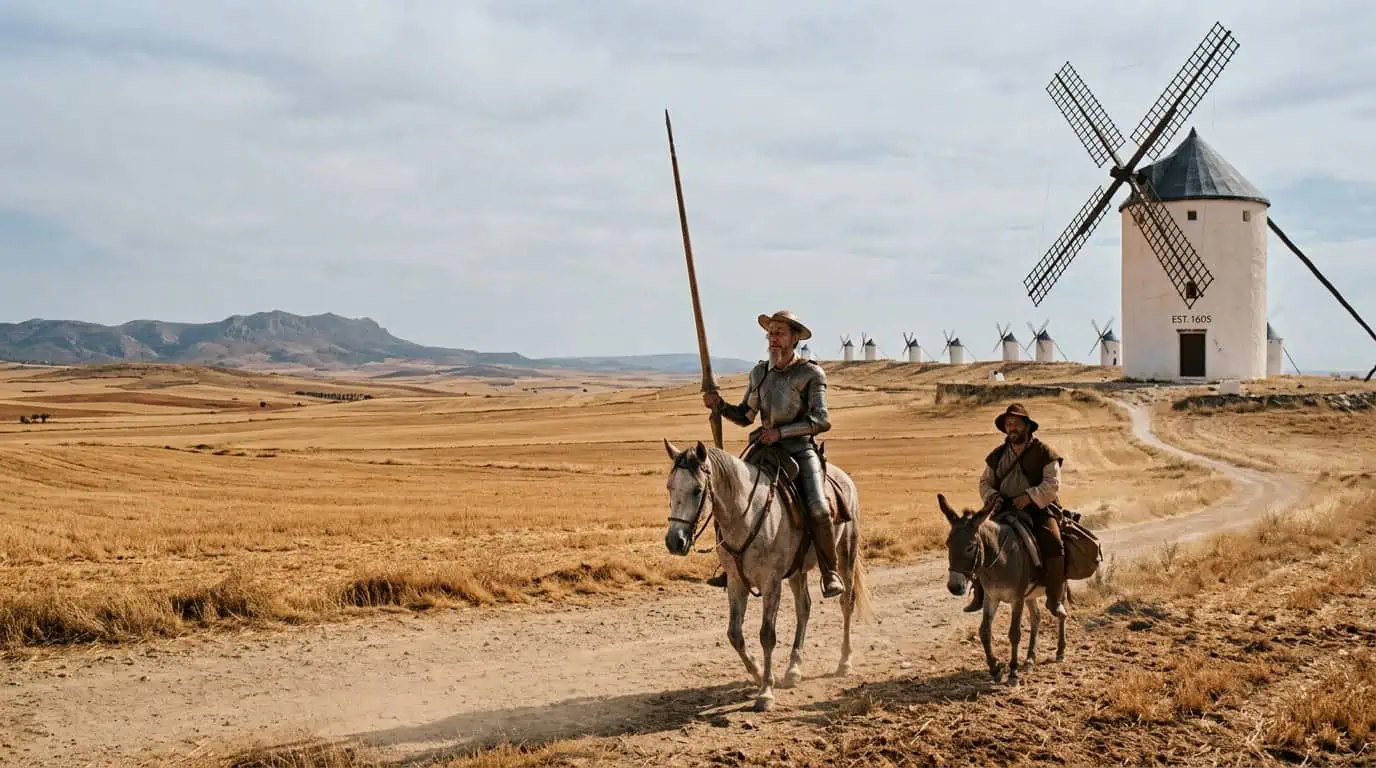
Spanish is one of the great literary languages, and it holds two capitals at once. It gave the world the first modern novel and, four centuries later, the most influential novel of the twentieth century. To read across it is to travel between two continents that share a tongue but not a history.
A book written in Bogota or Gwangju or Cairo does not stay there. Its second life, the life it leads beyond the borders of its own language, is what we mean by world literature, and the country it opens is far larger than any national map suggests.

There has never been a worse time to choose what to read, only because there has never been more to choose from. This is the quiet use of the literary prize: a century of juries, doing a first pass of the sorting on our behalf.

A woman ascends into heaven while folding laundry, and the neighbors mourn only the lost bedsheets. That image holds the secret of a genre that insists the marvelous was here all along, folded into the ordinary, waiting to be seen.
One writer’s name became an adjective because he mapped a nightmare the whole modern world would come to share. The novels gathered here are the great inheritors of that vision, from a fort awaiting an enemy that never comes to a ministry that harvests a nation’s dreams. Each shows the kafkaesque wearing a different face,…
Albert Camus’s 1942 essay confronts the only question philosophy cannot avoid: is life worth living in a universe without meaning? Through the Greek myth of Sisyphus — condemned to push a boulder uphill for eternity – Camus builds his philosophy of the absurd and arrives at an answer that is neither comforting nor despairing. One…

A friendship can end in a single published sentence and never be repaired. A love that never quite happened can shadow a woman for the rest of her life. Between these two fates lies the quiet art by which Beauvoir shaped what the world was allowed to know.

A phrase escaped this novel and entered every language, naming the trap that locks the moment you reach for the handle. Beneath Heller’s terrible comedy of preening colonels and lethal paperwork lies a single unbearable truth about how institutions spend a human life. This is the real Catch-22 meaning, and why the book has never…
The Myth of Sisyphus asked whether a life without meaning is worth living. The Rebel asks the harder question that follows: whether, in a world without guarantees, we may spill blood for a better one. Camus’s answer cost him his closest friendship and remains one of the twentieth century’s most necessary arguments.
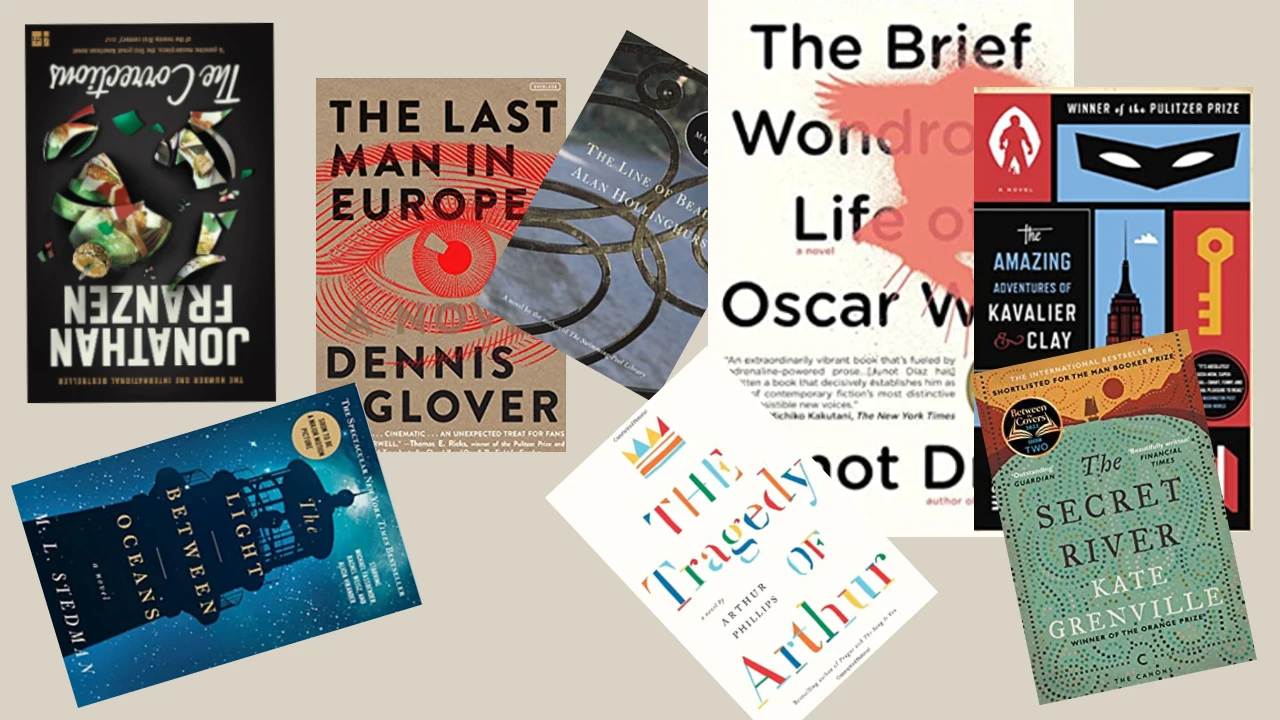
For one evening every November, literary Britain holds its breath while a jury decides which novel will define the year. No other award remakes a book’s fortunes so completely in a single night, and its winners are the closest thing the English novel has to a canon of the living.
The universe keeps its silence, and still we go on demanding that it mean something. That collision, between a mind that hungers for sense and a world that offers none, is what Camus named the absurd. Absurdism is not despair but the strange, defiant art of living inside that contradiction with open eyes.
Every great work of world literature reaches the English reader through a second pair of hands, and for most of history those hands went unnamed. The International Booker is the prize that finally put them on the cover.