Newsletter Subscribe
Enter your email address below and subscribe to our newsletter

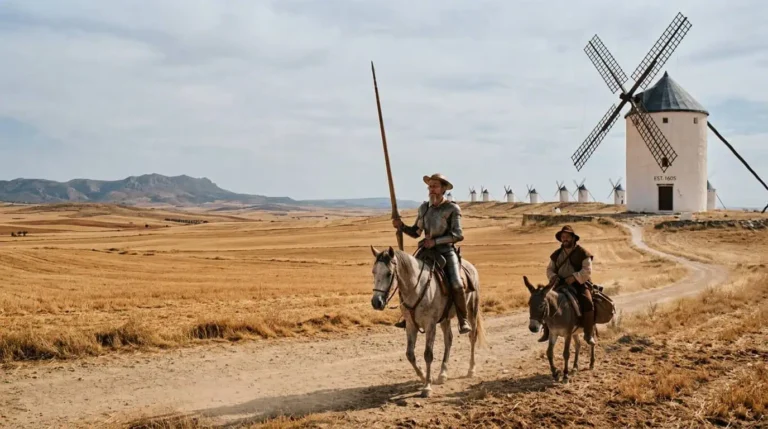
Spanish is one of the great literary languages, and it holds two capitals at once. It gave the world the first modern novel and, four centuries later, the most influential novel of the twentieth century. To read across it is to travel between two continents that share a tongue but not a history.

A book written in Bogota or Gwangju or Cairo does not stay there. Its second life, the life it leads beyond the borders of its own language, is what we mean by world literature, and the country it opens is far larger than any national map suggests.

There has never been a worse time to choose what to read, only because there has never been more to choose from. This is the quiet use of the literary prize: a century of juries, doing a first pass of the sorting on our behalf.
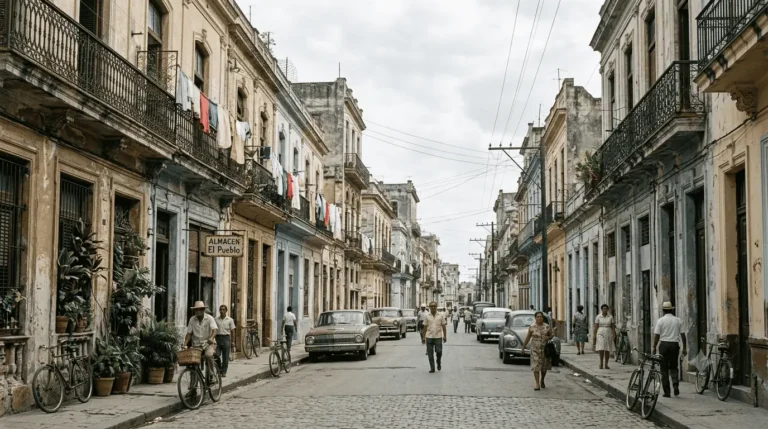
A woman ascends into heaven while folding laundry, and the neighbors mourn only the lost bedsheets. That image holds the secret of a genre that insists the marvelous was here all along, folded into the ordinary, waiting to be seen.
One writer's name became an adjective because he mapped a nightmare the whole modern world would come to share. The novels gathered here are the great inheritors of that vision, from a fort awaiting an enemy that never comes to a ministry that harvests a nation's dreams. Each shows the kafkaesque wearing a different face, in a different tongue.

There is a habit of speaking about Chinua Achebe as though he were a statue, the man who wrote the one African novel everyone is assigned in school. The fuller figure is stranger and larger: the novelist across three generations, the critic who took on the Western canon, the editor who published a whole tradition into being.
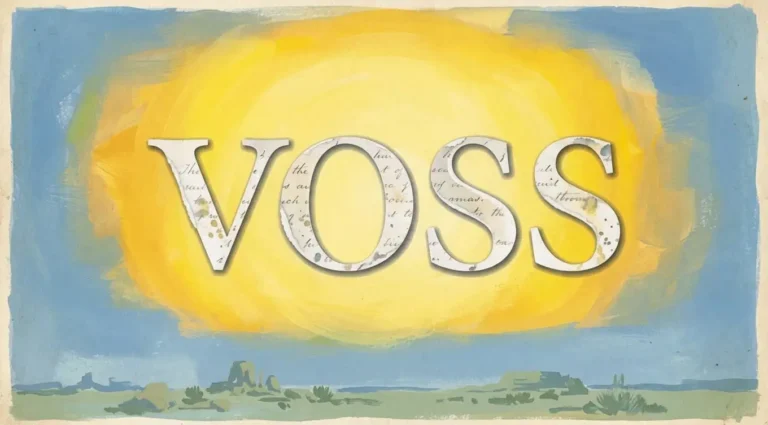
A man sets out to walk across a continent, and the country he is really crossing is himself. Patrick White's Voss turns an expedition into a test of the soul, where the will to conquer and the willingness to be humbled prove to be the same motion. Voss is a remarkable book.
They were the twin faces of a philosophy, inseparable in the cafés of occupied Paris, until a single book about revolution and murder turned them into enemies who never spoke again. The quarrel between Camus and Sartre was no mere literary feud; it was the moment existentialism split in two over the oldest question of all, whether any promised future can justify the spilling of present blood. The friendship was lost, and the argument has outlived them both.
A man reaches for a stone on the beach and cannot bring himself to touch it. That small failure is the beginning of Roquentin's nausea, the dawning horror at the sheer, unjustified thereness of everything that exists. Sartre's first novel turns a metaphysical shudder into a story, and it remains the truest door into existentialism there is.
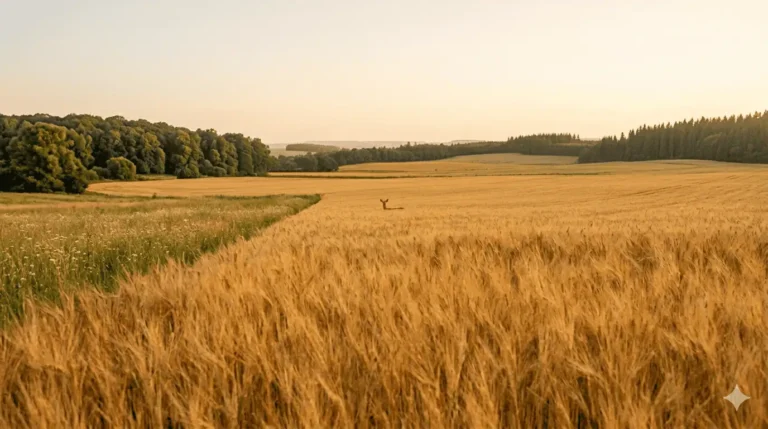
Most high school summer reading lists are the same list, mostly American, mostly the same handful of authors. This one is built differently: 16 books from Senegal to Soviet Russia to Mexico, organized by grade level, that make the world feel larger.
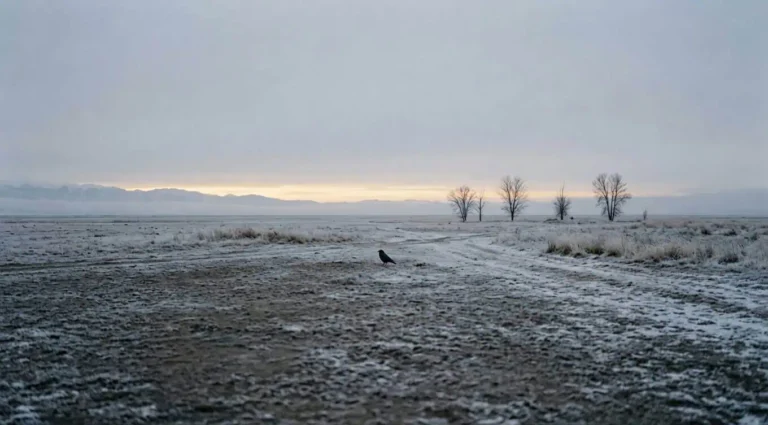
Camus is the doorway, not the destination. A guided tour of the philosophy and fiction that carry his questions further, from Kierkegaard's leap of faith and Sartre's condemned freedom to the vanishing self of Dazai. Where to go once the absurd has taken hold.