Newsletter Subscribe
Enter your email address below and subscribe to our newsletter

A book written in Bogota or Gwangju or Cairo does not stay there. Its second life, the life it leads beyond the borders of its own language, is what we mean by world literature, and the country it opens is far larger than any national map suggests.

There has never been a worse time to choose what to read, only because there has never been more to choose from. This is the quiet use of the literary prize: a century of juries, doing a first pass of the sorting on our behalf.

There is a habit of speaking about Chinua Achebe as though he were a statue, the man who wrote the one African novel everyone is assigned in school. The fuller figure is stranger and larger: the novelist across three generations, the critic who took on the Western canon, the editor who published a whole tradition into being.
A man sets out to walk across a continent, and the country he is really crossing is himself. Patrick White's Voss turns an expedition into a test of the soul, where the will to conquer and the willingness to be humbled prove to be the same motion. Voss is a remarkable book.
For one evening every November, literary Britain holds its breath while a jury decides which novel will define the year. No other award remakes a book's fortunes so completely in a single night, and its winners are the closest thing the English novel has to a canon of the living.
Some books are monuments; a few are doorways. Chinua Achebe's Things Fall Apart is the door through which the whole tradition of modern African literature is entered, and it refuses every easy sympathy it seems to invite. A reckoning with a culture worth grieving and a man who helped author his own fall.
One ordinary morning, a man is arrested for a crime no one will name, and the deepest horror of his ordeal is that some part of him comes to believe he is guilty. Kafka's unfinished masterpiece is the great parable of modern guilt, of a bureaucracy without a face and a law without a door, and it has given its author's name to a whole condition of the modern soul.
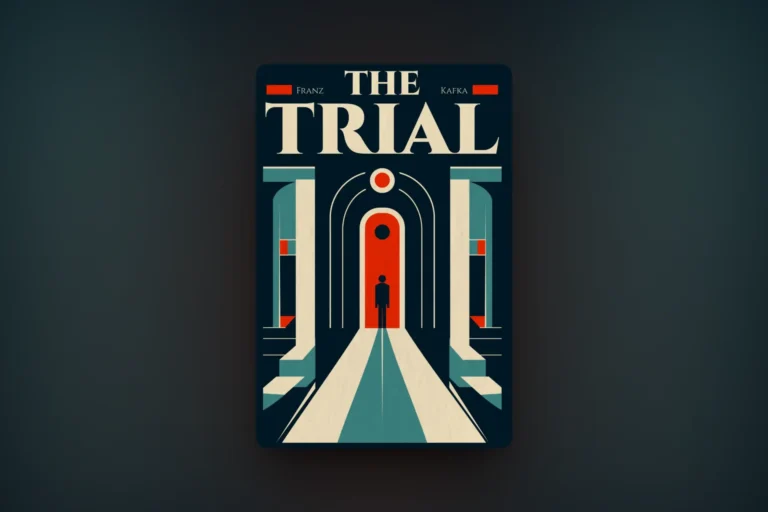
If the Pulitzer is decided in a boardroom, the National Book Award is decided in an argument among writers, and it shows. Its winners read like an alternative history of the American novel, drawn by the people who make them.
Every nation lifts one book above the rest each year and calls it the best it has. Gathered together, these verdicts map what the reading world values now, in forty languages at once, and show how much of it still waits in translation.
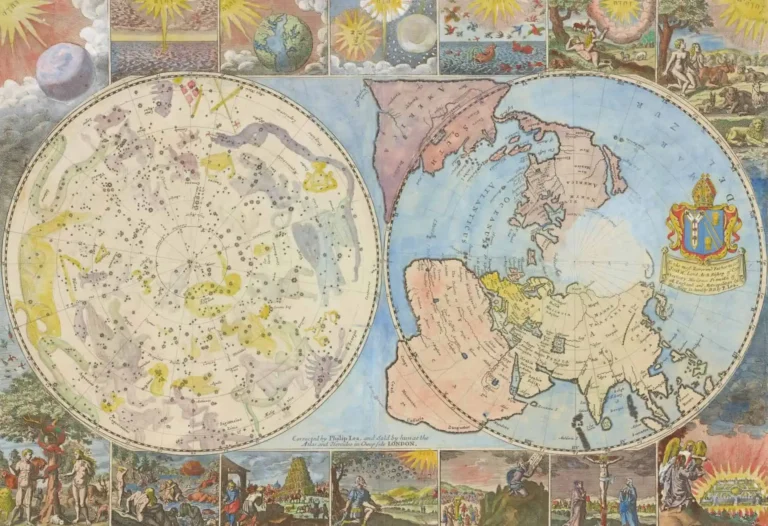
Existentialism is less a doctrine than a set of questions that will not leave a thinking person alone: what it means to be free, how to live without a given purpose, and whether a life can be made rather than merely inherited. This guide maps the whole territory, its ideas, its great writers, and the books through which to enter it.
In 1991 the Booker shortlist held six novels and not one was by a woman, in a year when women had written most of the fiction published in Britain. The Women's Prize was the answer to that absence, and its winners are among the best guides to women writing in English today.