Newsletter Subscribe
Enter your email address below and subscribe to our newsletter

One writer's name became an adjective because he mapped a nightmare the whole modern world would come to share. The novels gathered here are the great inheritors of that vision, from a fort awaiting an enemy that never comes to a ministry that harvests a nation's dreams. Each shows the kafkaesque wearing a different face, in a different tongue.
They were the twin faces of a philosophy, inseparable in the cafés of occupied Paris, until a single book about revolution and murder turned them into enemies who never spoke again. The quarrel between Camus and Sartre was no mere literary feud; it was the moment existentialism split in two over the oldest question of all, whether any promised future can justify the spilling of present blood. The friendship was lost, and the argument has outlived them both.
Camus is the doorway, not the destination. A guided tour of the philosophy and fiction that carry his questions further, from Kierkegaard's leap of faith and Sartre's condemned freedom to the vanishing self of Dazai. Where to go once the absurd has taken hold.
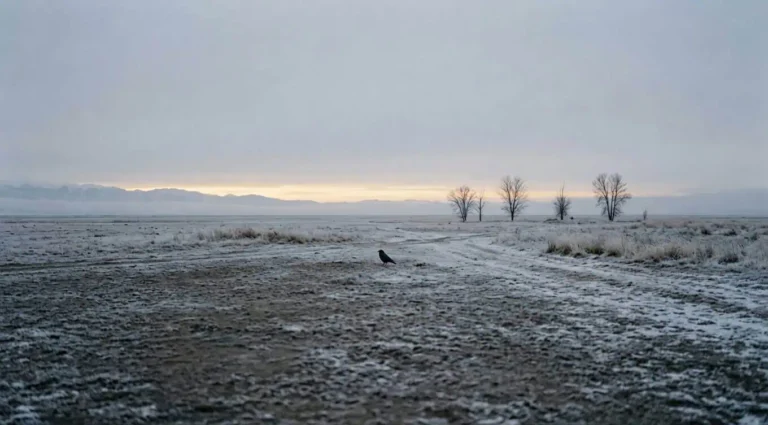
Albert Camus's 1942 essay confronts the only question philosophy cannot avoid: is life worth living in a universe without meaning? Through the Greek myth of Sisyphus — condemned to push a boulder uphill for eternity - Camus builds his philosophy of the absurd and arrives at an answer that is neither comforting nor despairing. One must imagine Sisyphus happy.

A phrase escaped this novel and entered every language, naming the trap that locks the moment you reach for the handle. Beneath Heller's terrible comedy of preening colonels and lethal paperwork lies a single unbearable truth about how institutions spend a human life. This is the real Catch-22 meaning, and why the book has never aged.

The Myth of Sisyphus asked whether a life without meaning is worth living. The Rebel asks the harder question that follows: whether, in a world without guarantees, we may spill blood for a better one. Camus's answer cost him his closest friendship and remains one of the twentieth century's most necessary arguments.
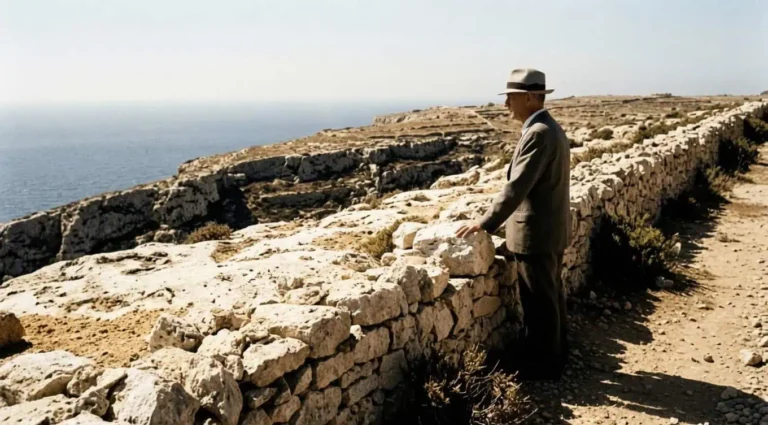
The universe keeps its silence, and still we go on demanding that it mean something. That collision, between a mind that hungers for sense and a world that offers none, is what Camus named the absurd. Absurdism is not despair but the strange, defiant art of living inside that contradiction with open eyes.
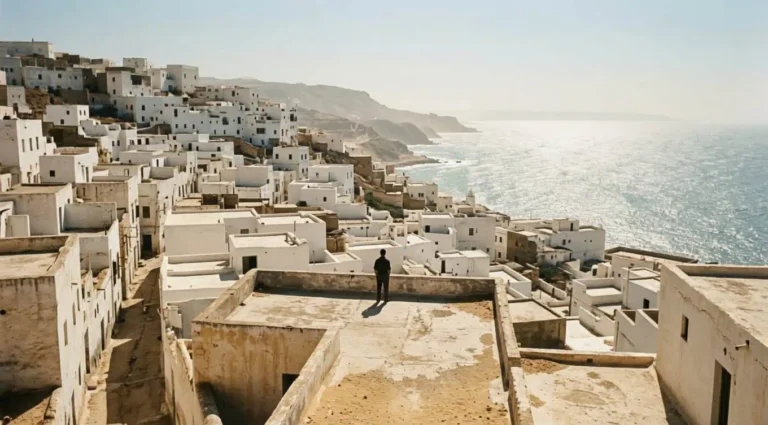
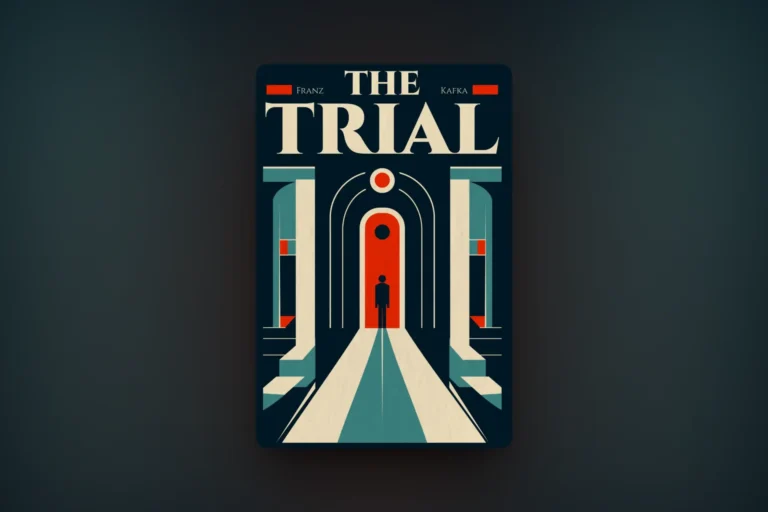
One ordinary morning, a man is arrested for a crime no one will name, and the deepest horror of his ordeal is that some part of him comes to believe he is guilty. Kafka's unfinished masterpiece is the great parable of modern guilt, of a bureaucracy without a face and a law without a door, and it has given its author's name to a whole condition of the modern soul.
Existentialism is less a doctrine than a set of questions that will not leave a thinking person alone: what it means to be free, how to live without a given purpose, and whether a life can be made rather than merely inherited. This guide maps the whole territory, its ideas, its great writers, and the books through which to enter it.
Some experiences are so absurd, so airless, so exactly like a nightmare run by clerks, that only one word will do. We call them kafkaesque, and in reaching for a dead novelist's name we admit that he saw our world coming. This is what the word truly means, and why nothing else quite replaces it.