Newsletter Subscribe
Enter your email address below and subscribe to our newsletter

Showcasing the vibrant storytelling traditions of Europe, from timeless classics to contemporary works, reflecting the continent’s cultural, historical depth and a modern mess.
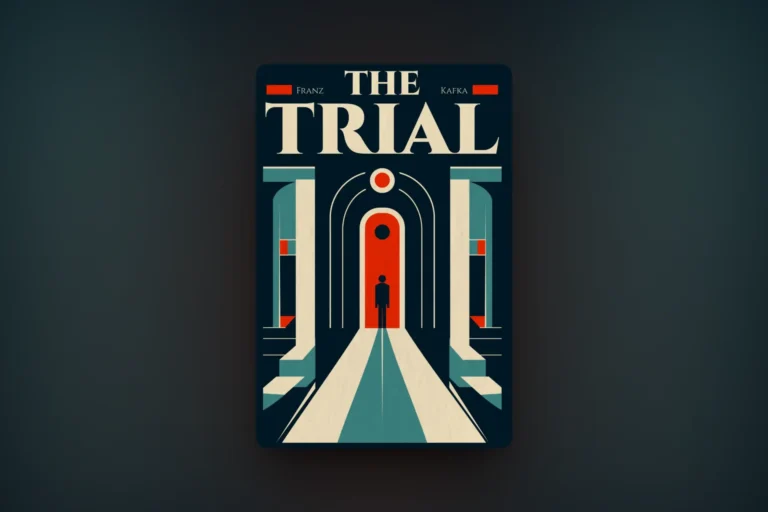
One ordinary morning, a man is arrested for a crime no one will name, and the deepest horror of his ordeal is that some part of him comes to believe he is guilty. Kafka's unfinished masterpiece is the great parable of modern guilt, of a bureaucracy without a face and a law without a door, and it has given its author's name to a whole condition of the modern soul.
A woman buys a notebook to keep a diary, and that fragile thing outlives nearly everyone it touches. In The Use of Man, Aleksandar Tišma turns the Second World War into a machine whose true horror is not death but use, the slow conversion of people into instruments. This is the great Novi Sad novel of survival, and of the wounds that survival cannot heal.
Some experiences are so absurd, so airless, so exactly like a nightmare run by clerks, that only one word will do. We call them kafkaesque, and in reaching for a dead novelist's name we admit that he saw our world coming. This is what the word truly means, and why nothing else quite replaces it.