Newsletter Subscribe
Enter your email address below and subscribe to our newsletter

Literary fiction from around the world: novels that reward close reading for their language, ideas, and depth of character, old and new.
Six novels that spent the autumn being argued over were reduced, in a single sentence spoken in London, to one. The 2026 Booker Prize went to The End of Everything by M. John Harrison, the oldest winner in the prize's history.
On Easter night an old scholar rewrites the first line of the Gospel, and the devil steps out of the smoke to help him act on it. From Marlowe and Goethe to Moscow, Brazil, Prague and Beijing, the Faustian bargain has been retold wherever ambition meets its price.

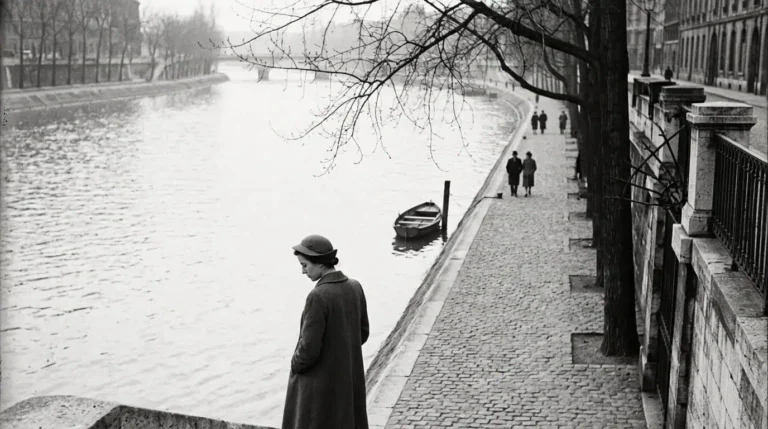
At the top of a Paris staircase, a single name changes the shape of the French reading year. The 2026 Prix Goncourt went to Philippe Jaenada for L'Inconnue du quai de Javel, a book not yet available in English.
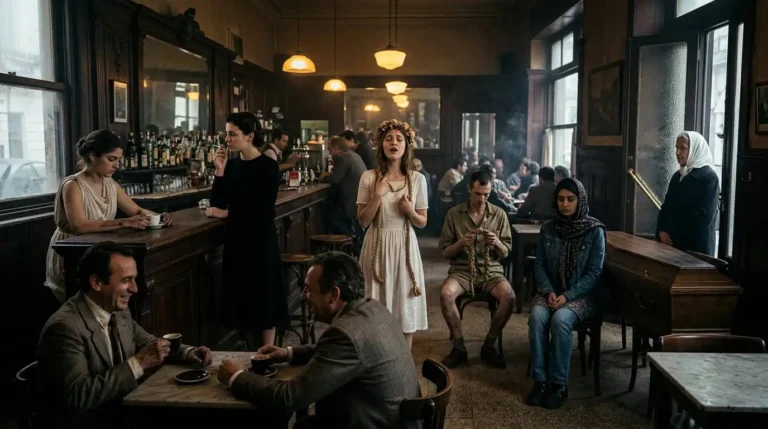
A hanged woman takes the rope from her neck and sings while two men drink coffee. From occupied Paris to Robben Island, Buenos Aires and Karachi, Antigone has been retold wherever a state decides who may be mourned.
A red, winged boy writes his autobiography; a schoolteacher in Pennsylvania limps out of class with an arrow in his ankle. Anne Carson and John Updike each retold a monster wounded by Herakles, and read together their books reveal two ways of living with a wound.
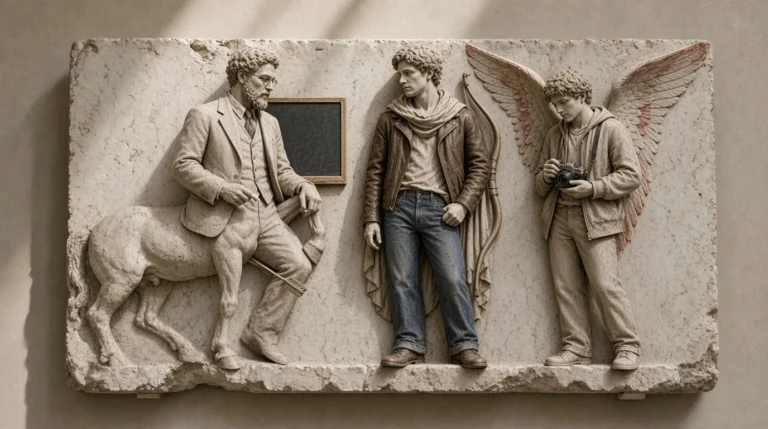
On the walls of many French studies hangs a ten-euro cheque that was never cashed. The Prix Goncourt pays almost nothing and changes everything; here is every winner since 1903, and the ones to read in English.
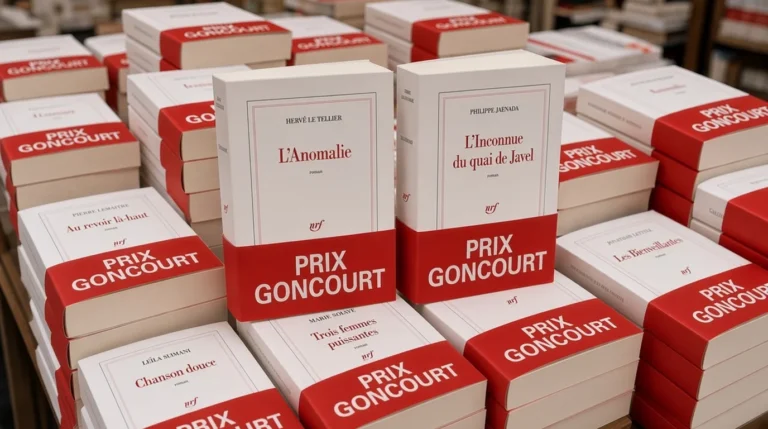
Cassandra waits outside the gate at Mycenae, two fishermen quarrel over Helen on a beach in St Lucia, and two prisoners rehearse Antigone in a cell. A guide to the Greek mythology books that retell the old stories, from every literature.
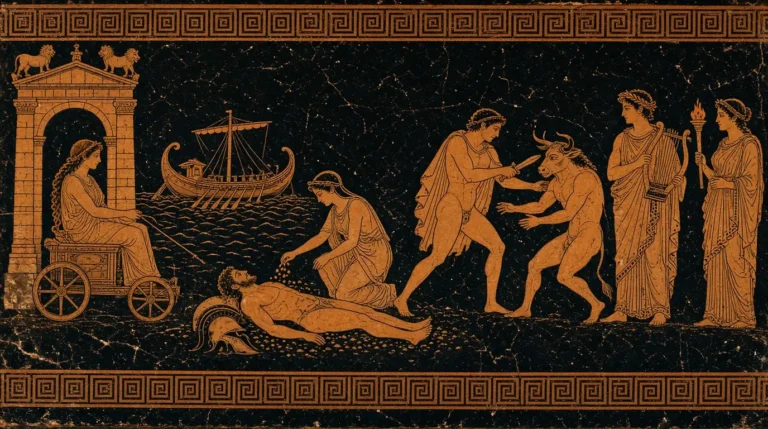
Spanish is one of the great literary languages, and it holds two capitals at once. It gave the world the first modern novel and, four centuries later, the most influential novel of the twentieth century. To read across it is to travel between two continents that share a tongue but not a history.
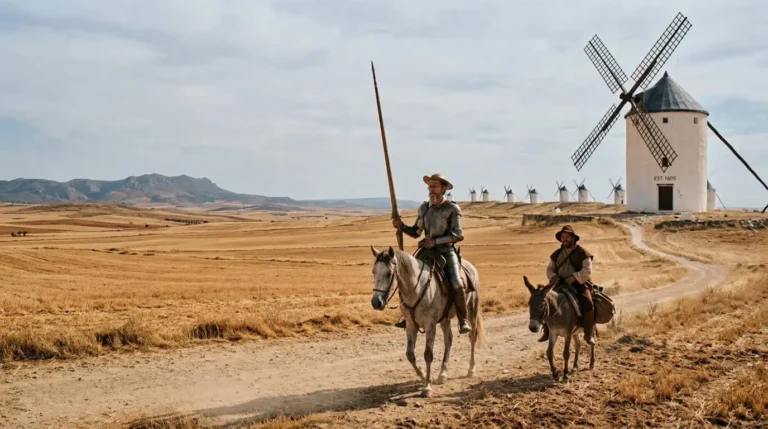
A book written in Bogota or Gwangju or Cairo does not stay there. Its second life, the life it leads beyond the borders of its own language, is what we mean by world literature, and the country it opens is far larger than any national map suggests.

There has never been a worse time to choose what to read, only because there has never been more to choose from. This is the quiet use of the literary prize: a century of juries, doing a first pass of the sorting on our behalf.

A woman ascends into heaven while folding laundry, and the neighbors mourn only the lost bedsheets. That image holds the secret of a genre that insists the marvelous was here all along, folded into the ordinary, waiting to be seen.