Newsletter Subscribe
Enter your email address below and subscribe to our newsletter

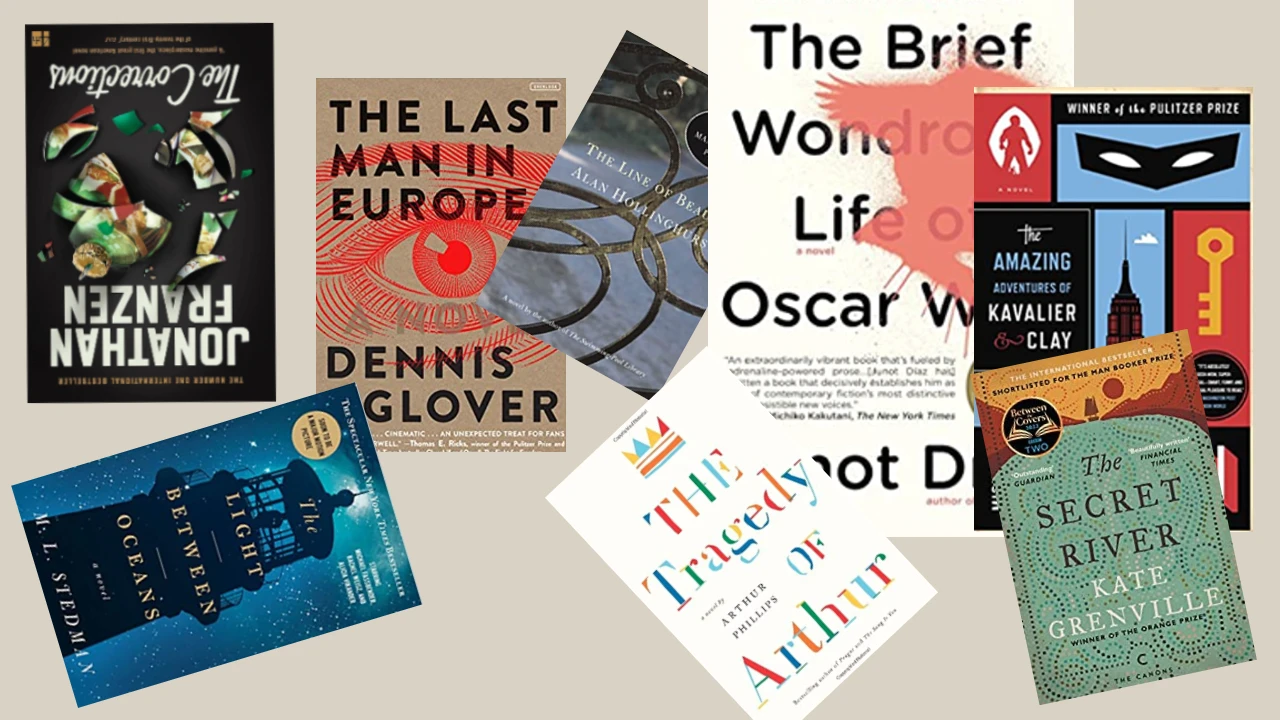
Literary fiction from around the world: novels that reward close reading for their language, ideas, and depth of character, old and new.
Every book on this list was written twice, once by its author and once by a translator at another desk in another country. A guide to the best translated fiction, from the modern classics to the International Booker winners.
A thriller makes us turn the page; literary fiction makes us stop and look up. What literary fiction really is, how it differs from genre fiction, and twenty-two of the best literary fiction books to read.
For one evening every November, literary Britain holds its breath while a jury decides which novel will define the year. No other award remakes a book's fortunes so completely in a single night, and its winners are the closest thing the English novel has to a canon of the living.
Every great work of world literature reaches the English reader through a second pair of hands, and for most of history those hands went unnamed. The International Booker is the prize that finally put them on the cover.
Dive into the most anticipated contemporary and literary fiction books of Fall 2025! From Thomas Pynchon's new novel Shadow Ticket, to Han Kang’s poignant We Do Not Part, this curated list blends rich storytelling with global perspectives. Expect lyrical prose, bold narratives, and translated gems that explore love, identity, and resilience. Discover your next must-read for the fall 2025 season!

In 1884 Zola went down a mine; at his funeral the miners chanted the title of the book he made from it. Fifteen great novels of work, from the coal pits of France to the fish canneries of Brittany, and what each says about the cost of labour.

France treats the novel as a second parliament, a place where the questions that matter are put to the vote of the imagination. This running list gathers the finest contemporary French-language books now in English, from new Goncourt winners to the writers of empire, memory, and the vanishing countryside.

If the Pulitzer is decided in a boardroom, the National Book Award is decided in an argument among writers, and it shows. Its winners read like an alternative history of the American novel, drawn by the people who make them.
Every nation lifts one book above the rest each year and calls it the best it has. Gathered together, these verdicts map what the reading world values now, in forty languages at once, and show how much of it still waits in translation.
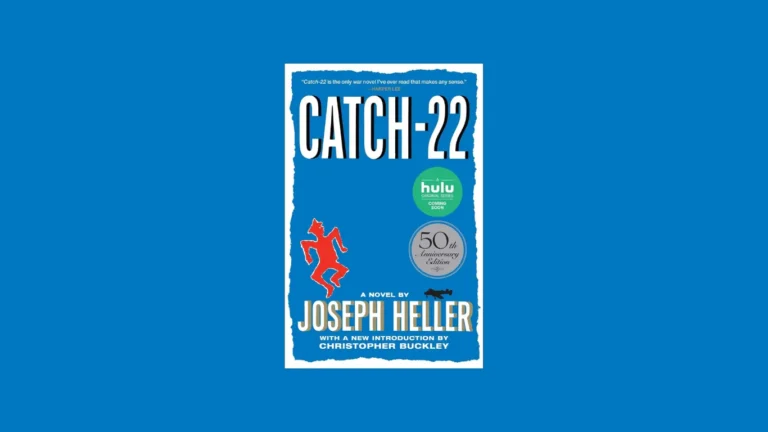
A rule that makes perfect sense and leads straight to the grave: that is the catch, and Heller did not invent it. Twelve novels, from Prague in 1914 to Baghdad under occupation, that answer the machine with laughter.
At Patriarch's Ponds, on a hot spring evening, a stranger with one green eye and one black sits down beside two Moscow writers, and the Devil has arrived. Bulgakov's novel of Stalin's Moscow, Pontius Pilate and a woman who bargains with Satan for love.
