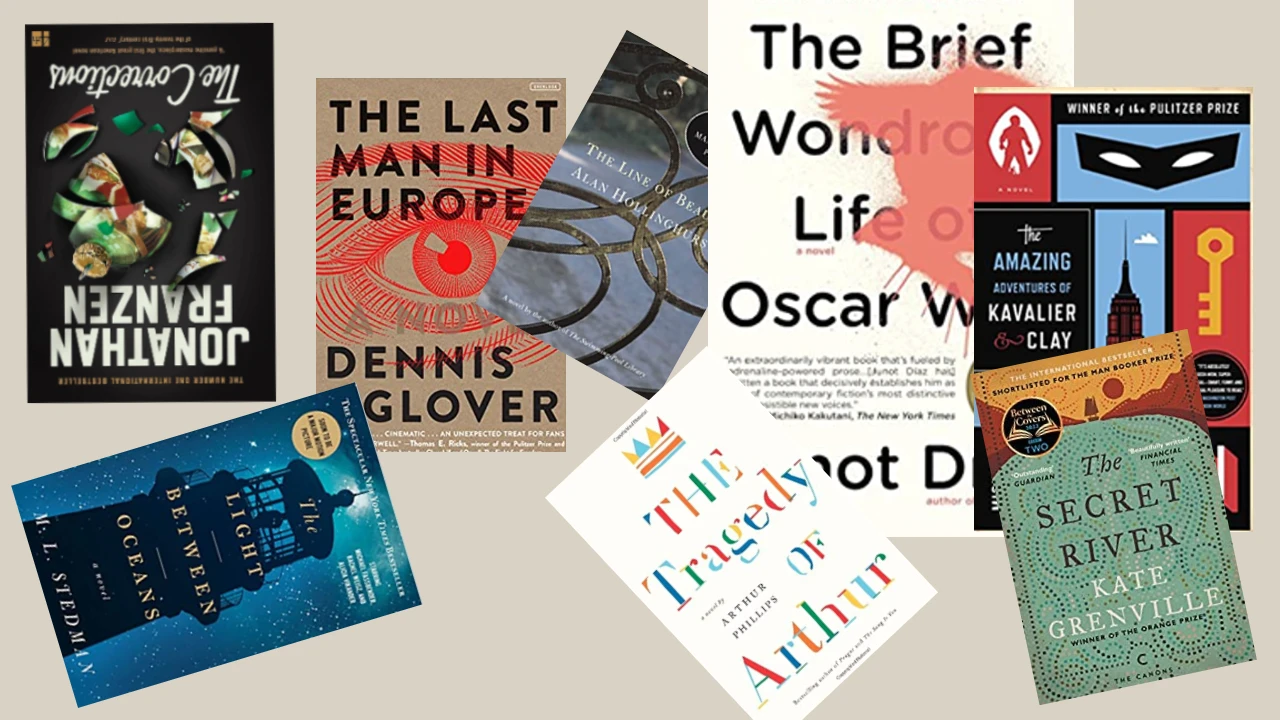
Newsletter Subscribe
Enter your email address below and subscribe to our newsletter

Recommended reading: the books this site would put in any serious reader’s hands, gathered across lists, reviews, and author guides.
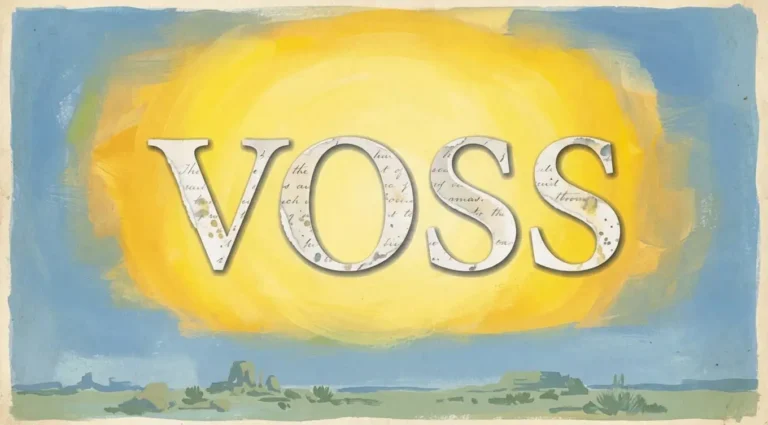
A man sets out to walk across a continent, and the country he is really crossing is himself. Patrick White's Voss turns an expedition into a test of the soul, where the will to conquer and the willingness to be humbled prove to be the same motion. Voss is a remarkable book.
Every book on this list was written twice, once by its author and once by a translator at another desk in another country. A guide to the best translated fiction, from the modern classics to the International Booker winners.
A thriller makes us turn the page; literary fiction makes us stop and look up. What literary fiction really is, how it differs from genre fiction, and twenty-two of the best literary fiction books to read.
For one evening every November, literary Britain holds its breath while a jury decides which novel will define the year. No other award remakes a book's fortunes so completely in a single night, and its winners are the closest thing the English novel has to a canon of the living.
Some books are monuments; a few are doorways. Chinua Achebe's Things Fall Apart is the door through which the whole tradition of modern African literature is entered, and it refuses every easy sympathy it seems to invite. A reckoning with a culture worth grieving and a man who helped author his own fall.
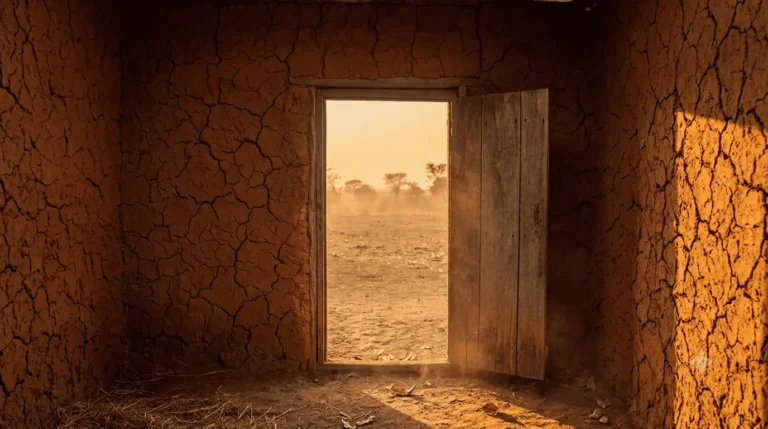
In 1884 Zola went down a mine; at his funeral the miners chanted the title of the book he made from it. Fifteen great novels of work, from the coal pits of France to the fish canneries of Brittany, and what each says about the cost of labour.

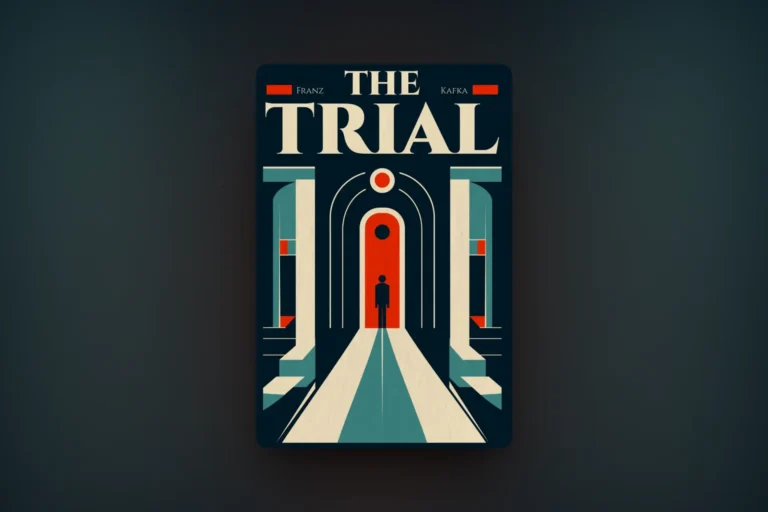
One ordinary morning a man is arrested for a crime no one will name, and some part of him comes to believe he is guilty. Kafka laughed when he read it aloud. An essay on The Trial: its story, its origins, the parable at its heart, and the best translation.
If the Pulitzer is decided in a boardroom, the National Book Award is decided in an argument among writers, and it shows. Its winners read like an alternative history of the American novel, drawn by the people who make them.
Every nation lifts one book above the rest each year and calls it the best it has. Gathered together, these verdicts map what the reading world values now, in forty languages at once, and show how much of it still waits in translation.
At Patriarch's Ponds, on a hot spring evening, a stranger with one green eye and one black sits down beside two Moscow writers, and the Devil has arrived. Bulgakov's novel of Stalin's Moscow, Pontius Pilate and a woman who bargains with Satan for love.

In the sagas, a man can die in a single sentence and the next will tell you who owned the farm. A country-by-country guide to the literatures of the North, from Njál's Saga to Jon Fosse, and to the restraint that runs through them all.
