Newsletter Subscribe
Enter your email address below and subscribe to our newsletter

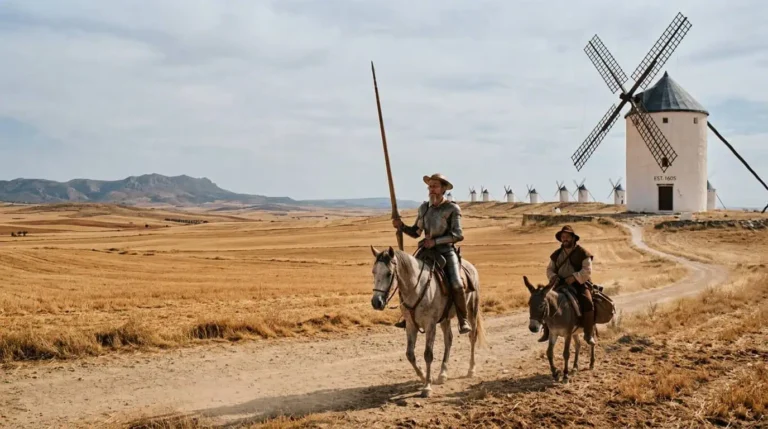
Spanish is one of the great literary languages, and it holds two capitals at once. It gave the world the first modern novel and, four centuries later, the most influential novel of the twentieth century. To read across it is to travel between two continents that share a tongue but not a history.
A book written in Bogota or Gwangju or Cairo does not stay there. Its second life, the life it leads beyond the borders of its own language, is what we mean by world literature, and the country it opens is far larger than any national map suggests.
There has never been a worse time to choose what to read, only because there has never been more to choose from. This is the quiet use of the literary prize: a century of juries, doing a first pass of the sorting on our behalf.
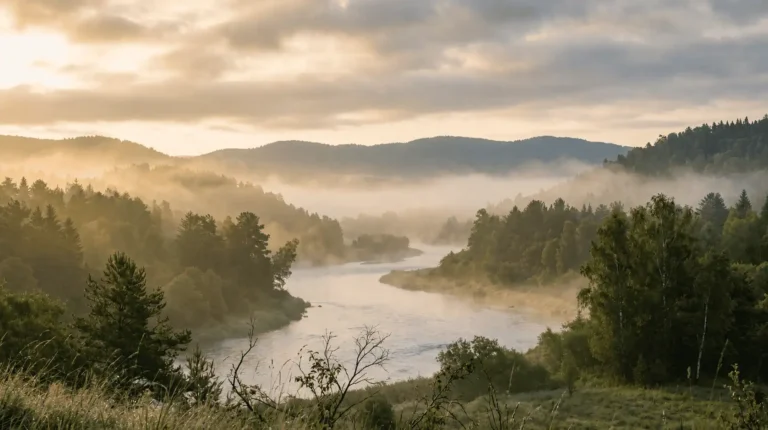
A woman ascends into heaven while folding laundry, and the neighbors mourn only the lost bedsheets. That image holds the secret of a genre that insists the marvelous was here all along, folded into the ordinary, waiting to be seen.
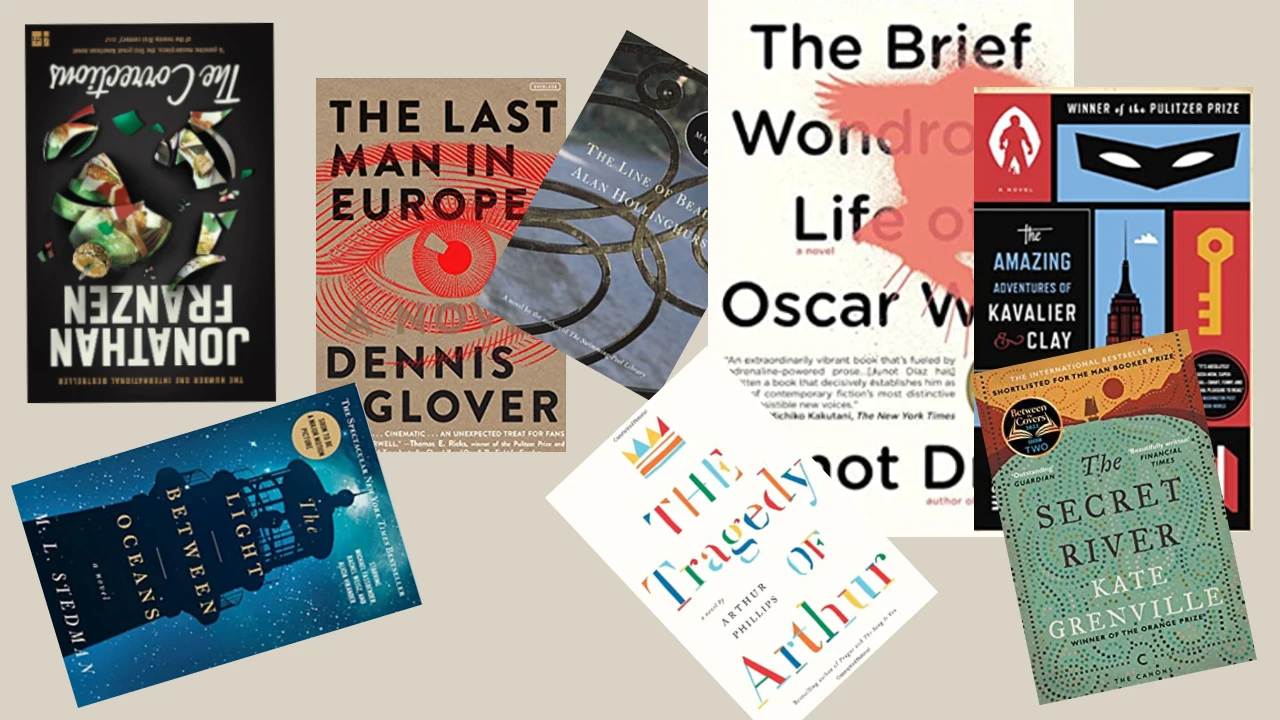
For one evening every November, literary Britain holds its breath while a jury decides which novel will define the year. No other award remakes a book's fortunes so completely in a single night, and its winners are the closest thing the English novel has to a canon of the living.
Every great work of world literature reaches the English reader through a second pair of hands, and for most of history those hands went unnamed. The International Booker is the prize that finally put them on the cover.
Here is the reading list that actually matters - 105 essential works from world literature
This list spans continents and cultures, featuring the writers who genuinely shaped modern consciousness from Chekhov's Russia to Tagore's India, from Kafka's nightmares to Laxness's Iceland. These aren't comfortable classics chosen for their familiarity. They're the books that asked the hardest questions about existence, society, and what it means to be human. Every work written before WWII. Zero compromises. If you want to understand how literature evolved across the world during modernism's revolutionary period, this is where you begin.

France treats the novel as a second parliament, a place where the questions that matter are put to the vote of the imagination. This running list gathers the finest contemporary French novels now in English, from newly crowned Goncourt and Renaudot winners to the modern masters of art, memory, and the vanishing countryside.
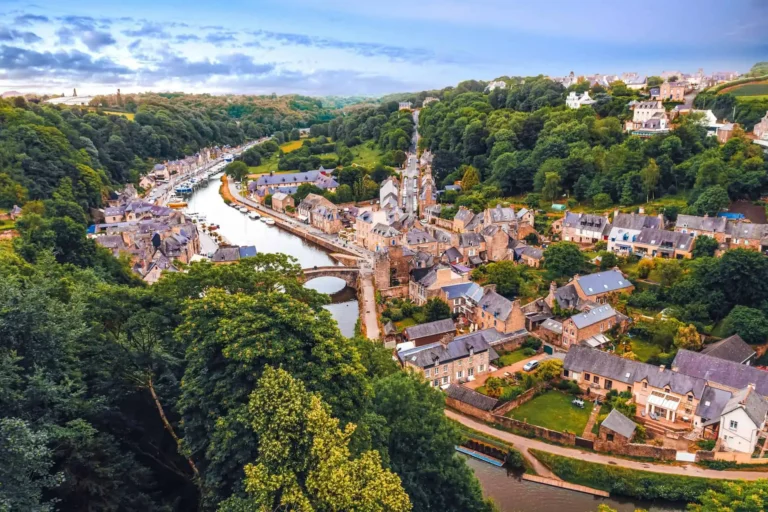
If the Pulitzer is decided in a boardroom, the National Book Award is decided in an argument among writers, and it shows. Its winners read like an alternative history of the American novel, drawn by the people who make them.
Every nation lifts one book above the rest each year and calls it the best it has. Gathered together, these verdicts map what the reading world values now, in forty languages at once, and show how much of it still waits in translation.
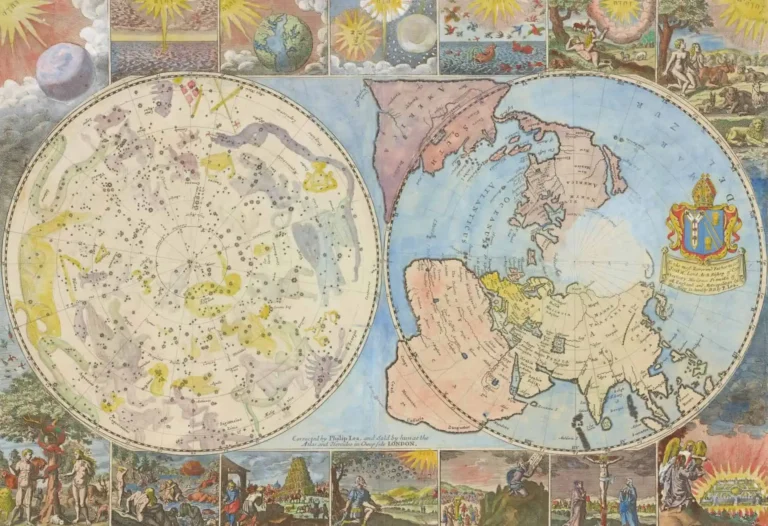
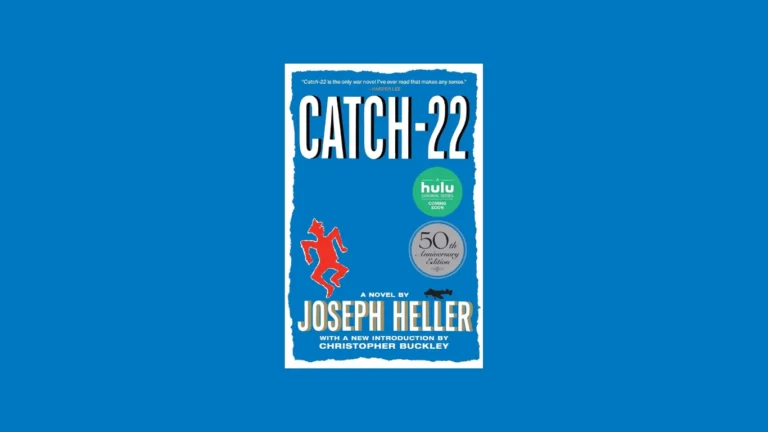
Discover 5 must-read books like Catch-22, featuring dark comedy and anti-war themes. From satirical novels by Jaroslav Hašek, Kurt Vonnegut, to Thomas Pynchon, and Vladimir Voinovich, each offering absurd humor and profound critiques of war and bureaucracy, these novels are perfect for fans of Joseph Heller’s classic..