Newsletter Subscribe
Enter your email address below and subscribe to our newsletter


This content may contain affiliate links. When you buy through these links, we may earn an affiliate commission.
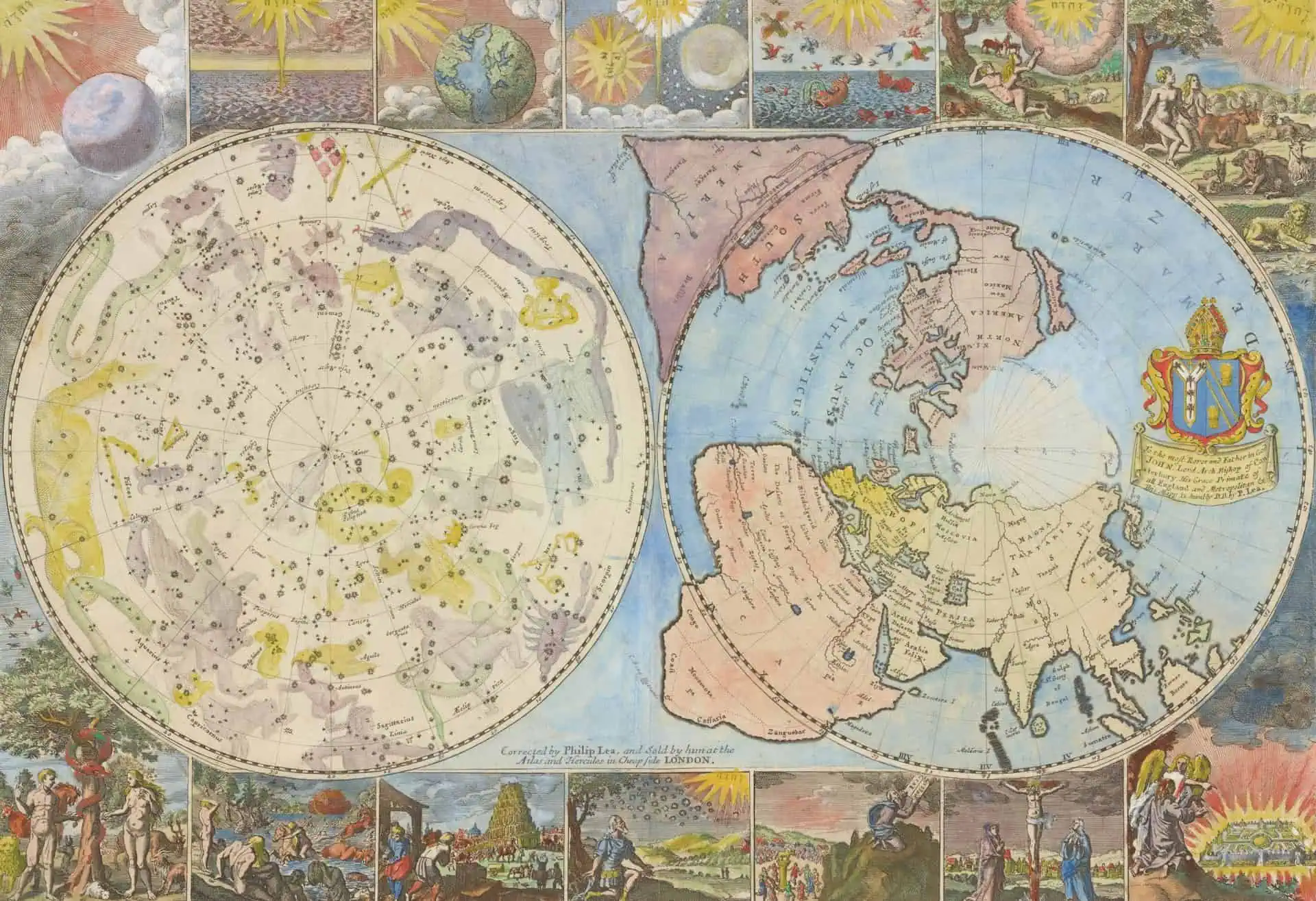
Every nation keeps a private canon, and once a year it lifts a single book above the rest and calls it the finest thing it has made. Gathered together, these verdicts form something no one country could assemble alone: a map of what the reading world values right now, drawn in forty languages at once. The Nobel is only the most famous lighthouse on a very long coast.
This guide is that coast, set down in full. It reaches from the prizes everyone knows, the Booker, the Goncourt, the Pulitzer, to the honors that rarely cross a border, the storytelling traditions gathered by the Nigeria Prize for Literature or the quiet authority of Japan’s Akutagawa. Most of these books are written in languages other than English, and a good many will never be translated at all. That absence is part of the story, and part of the reason this list exists: to show the English-speaking reader the size of the room, and how much of it lies in shadow.
Prestige in literature is not won by prize money, though some of these awards are generous. It is won by memory. A prestigious prize is one whose past winners have held up, whose judges have been trusted across generations, and whose name on a jacket still persuades a stranger to open the book. The Nobel confers a kind of secular immortality; the Booker can remake a career in a single evening in November; the Goncourt, worth a symbolic ten euros, sells hundreds of thousands of copies on the strength of its history alone. What these awards share is not a formula but a track record, the slow accumulation of good judgment that no amount of marketing can counterfeit.
The awards below are arranged by region rather than by rank, because rank is the wrong question. The honest comparison is not whether the Strega outranks the Nike but what each one opens onto: a national literature, a language, a way of seeing the world that the reader may not yet have entered. Treat the list as a set of doors. Where a title is available in English, it is worth pursuing directly; where it is not, the author’s name is still worth carrying, because translation follows attention, and attention is something readers can give. For the deeper traditions, follow the links out to our reading guides on world literature, European voices, African literature, and Latin American writing.
The tables below record each award, the genre it honors, and the language it is written in. Winners change every year; the awards themselves do not, so for the newest laureate and a note on what to read first, follow the guide linked from each major prize.
A handful of awards answer to no single nation. These are the truest gateways for an English-language reader, because their whole purpose is to carry writing across languages and frontiers.
| Award | Genre | Language |
|---|---|---|
| Nobel Prize in Literature | Body of work | Any language |
| International Booker Prize | Fiction in translation | Translated into English |
| Neustadt International Prize | Body of work | Any language |
The continent that invented the modern literary prize still keeps the densest concentration of them, from the salon rituals of Paris to the austere ceremonies of Stockholm.
| Country | Award | Genre | Language |
|---|---|---|---|
| France | Prix Goncourt | Fiction | French |
| France | Prix Médicis | Fiction | French |
| United Kingdom | Booker Prize | Fiction | English |
| United Kingdom | Women’s Prize for Fiction | Fiction | English |
| Ireland | Irish Book Awards | Fiction | English |
| Ireland | Dublin Literary Award | Fiction | English, incl. translation |
| Germany | Georg Büchner Prize | Lifetime | German |
| Germany | German Book Prize | Fiction | German |
| Italy | Premio Strega | Fiction | Italian |
| Spain | Premio Cervantes | Lifetime | Spanish |
| Spain | Premio Nadal | Fiction | Spanish |
| Sweden | August Prize | Fiction | Swedish |
| Belgium | Prix Victor Rossel | Fiction | French |
| Hungary | Aegon Literary Award | Fiction | Hungarian |
| Poland | Nike Literary Award | Various | Polish |
| Serbia | NIN Award | Fiction | Serbian |
| Russia | Big Book Award | Fiction | Russian |
| European Union | EU Prize for Literature | Fiction | Rotating EU languages |
African prizes honor both the continent’s written literatures and its older, spoken ones, and several are among the most exciting places to find a career at its beginning.
| Country | Award | Genre | Language |
|---|---|---|---|
| Nigeria | Nigeria Prize for Literature | Rotating (poetry, prose, drama) | English |
| Nigeria | The Caine Prize for African Writing | Short story | English |
| Algeria | Assia Djebar Prize for Literature | Fiction | Arabic |
| Egypt | Naguib Mahfouz Medal | Fiction | Arabic |
| Ghana | Ghana Writers Awards | Fiction | English |
| Kenya | Jomo Kenyatta Prize for Literature | Fiction | English |
| Senegal | Grand Prix Littéraire d’Afrique Noire | Fiction | French |
| South Africa | Sunday Times Literary Awards | Fiction | English |
The literary cultures of Asia are among the oldest on earth, and their prizes reward a range from the avant-garde debut to the crowning of a lifetime’s work.
| Country | Award | Genre | Language |
|---|---|---|---|
| Japan | Akutagawa Prize | Literary fiction | Japanese |
| Japan | Naoki Prize | Popular fiction | Japanese |
| China | Mao Dun Literature Prize | Fiction | Chinese |
| China | Lu Xun Literary Prize | Poetry | Chinese |
| India | Jnanpith Award | Lifetime | Indian languages |
| India | Sahitya Akademi Award | Fiction | Tamil and others |
| Indonesia | Khatulistiwa Literary Award | Fiction | Indonesian |
| South Korea | Yi Sang Literary Award | Fiction | Korean |
From the Pulitzer to the great Spanish and Portuguese prizes of the south, the Americas hold two continents’ worth of traditions, many of them still under-read in English.
| Country | Award | Genre | Language |
|---|---|---|---|
| United States | Pulitzer Prize for Fiction | Fiction | English |
| United States | National Book Award for Fiction | Fiction | English |
| Canada | Giller Prize | Fiction | English |
| Canada | Governor General’s Literary Awards | Fiction | English, French |
| Argentina | Premio Clarín de Novela | Fiction | Spanish |
| Argentina | Premio Nacional de Literatura | Various | Spanish |
| Brazil | Prêmio Jabuti | Fiction | Portuguese |
| Brazil | Prêmio Machado de Assis | Lifetime | Portuguese |
| Chile | Premio Nacional de Literatura | Lifetime | Spanish |
| Colombia | Premio Nacional de Literatura | Various | Spanish |
| Mexico | Alfonso Reyes International Prize | Lifetime | Spanish |
The prizes of the Pacific are young by the standards of Europe, but they guard some of the most distinctive voices writing in English today.
| Country | Award | Genre | Language |
|---|---|---|---|
| Australia | Miles Franklin Literary Award | Fiction | English |
| New Zealand | Ockham New Zealand Book Awards | Fiction | English |
| Fiji | Pacific Island Literary Award | Fiction | English |
Return, at the end, to the map. What a list like this finally measures is not the quality of the winners, which no single reader could judge across so many languages, but the reach of a common literary imagination and the stubbornness of its borders. For every title here that an English reader can order tonight, there is another, crowned in Algiers or Jakarta or Belgrade, that waits in a language most of us cannot read, for a translator who may never come. The prizes tell us these books exist and that someone, somewhere, has already found them worth the highest honor a country can give. The rest is up to us. A canon is not a monument to be admired; it is an invitation, and the most interesting names on it are often the ones we have not heard.