Newsletter Subscribe
Enter your email address below and subscribe to our newsletter

Masterworks: the books that changed literature, read for what makes them last, from the ancient epics and the sagas to the great novels of the modern world.
Every great work of world literature reaches the English reader through a second pair of hands, and for most of history those hands went unnamed. The International Booker is the prize that finally put them on the cover.
Some books are monuments; a few are doorways. Chinua Achebe's Things Fall Apart is the door through which the whole tradition of modern African literature is entered, and it refuses every easy sympathy it seems to invite. A reckoning with a culture worth grieving and a man who helped author his own fall.
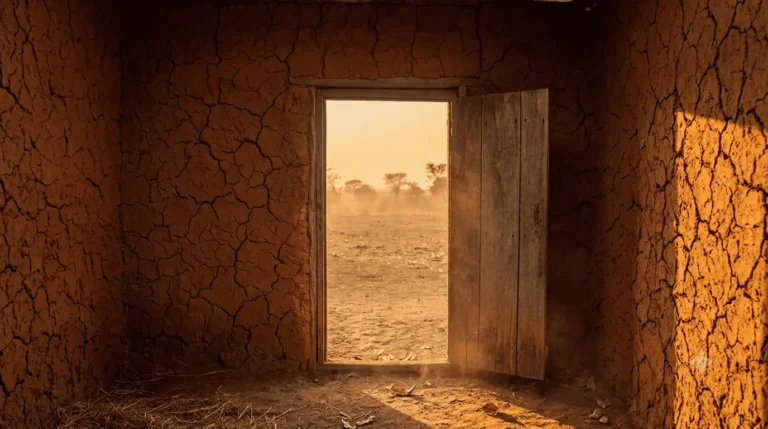
A nameless, spiteful man speaks to us from a cellar in Petersburg and insists on a freedom so absolute that he will choose his own suffering rather than be made happy by reason. Dostoevsky's short, savage confession is where the anti-hero was born and where existentialism first found its voice.
In 1884 Zola went down a mine; at his funeral the miners chanted the title of the book he made from it. Fifteen great novels of work, from the coal pits of France to the fish canneries of Brittany, and what each says about the cost of labour.

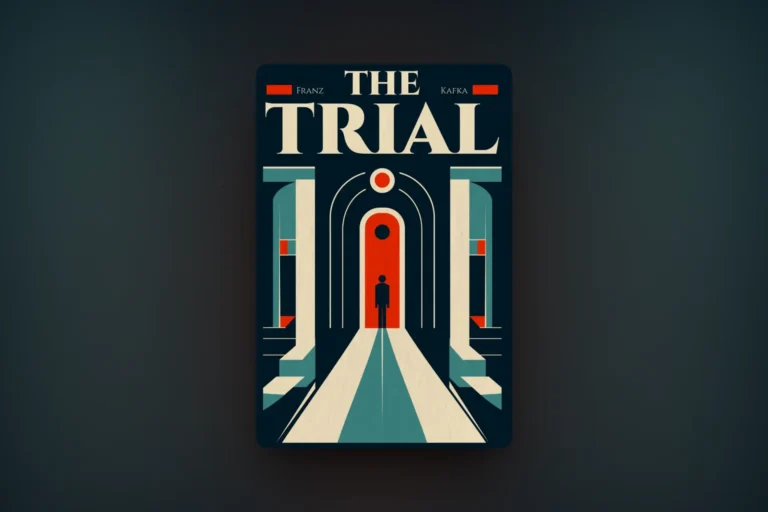
One ordinary morning a man is arrested for a crime no one will name, and some part of him comes to believe he is guilty. Kafka laughed when he read it aloud. An essay on The Trial: its story, its origins, the parable at its heart, and the best translation.
If the Pulitzer is decided in a boardroom, the National Book Award is decided in an argument among writers, and it shows. Its winners read like an alternative history of the American novel, drawn by the people who make them.
A woman buys a notebook to keep a diary, and that fragile thing outlives nearly everyone it touches. In The Use of Man, Aleksandar Tišma turns the Second World War into a machine whose true horror is not death but use, the slow conversion of people into instruments. This is the great Novi Sad novel of survival, and of the wounds that survival cannot heal.
At Patriarch's Ponds, on a hot spring evening, a stranger with one green eye and one black sits down beside two Moscow writers, and the Devil has arrived. Bulgakov's novel of Stalin's Moscow, Pontius Pilate and a woman who bargains with Satan for love.

It is one of the most forbidding books of the twentieth century, a thousand pages on consciousness and freedom that almost no one finishes. Yet its core is startlingly simple and startlingly hard to live with: you are free, entirely and inescapably, and everything you do to deny it is a lie. Here is what Sartre's masterpiece actually says.
In the sagas, a man can die in a single sentence and the next will tell you who owned the farm. A country-by-country guide to the literatures of the North, from Njál's Saga to Jon Fosse, and to the restraint that runs through them all.

In October 1945 a crowd broke the chairs at a Paris lecture hall to hear Sartre explain a new word. A guide to existentialism: its meaning, its core ideas, its thinkers from Kierkegaard to Beauvoir and Fanon, its reach from Buenos Aires to Tokyo, and the books to start with.