Newsletter Subscribe
Enter your email address below and subscribe to our newsletter

Masterworks: the books that changed literature, read for what makes them last, from the ancient epics and the sagas to the great novels of the modern world.
There is a habit of speaking about Chinua Achebe as though he were a statue, the man who wrote the one African novel everyone is assigned in school. The fuller figure is stranger and larger: the novelist across three generations, the critic who took on the Western canon, the editor who published a whole tradition into being.

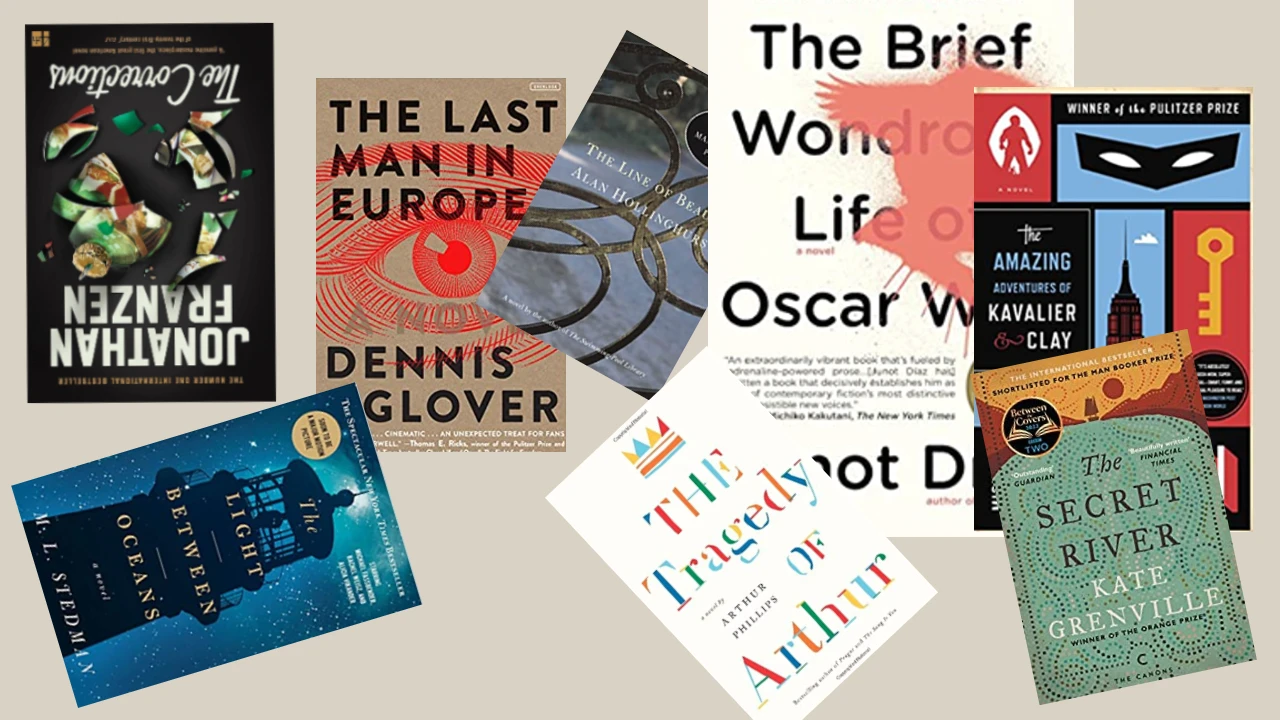
A man sets out to walk across a continent, and the country he is really crossing is himself. Patrick White's Voss turns an expedition into a test of the soul, where the will to conquer and the willingness to be humbled prove to be the same motion. Voss is a remarkable book.
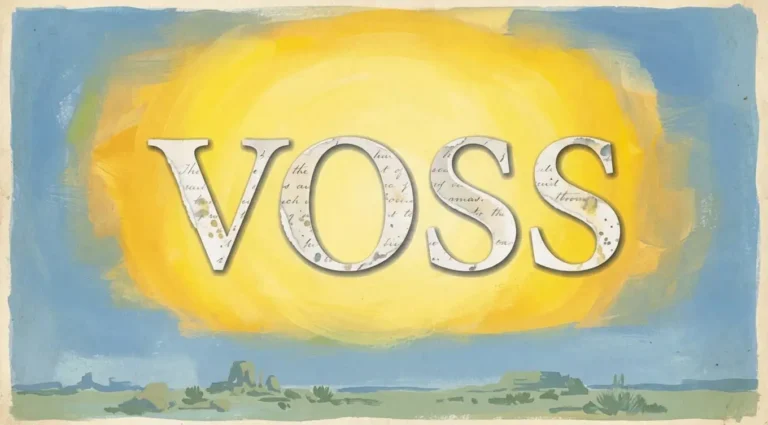
They were the twin faces of a philosophy, inseparable in the cafés of occupied Paris, until a single book about revolution and murder turned them into enemies who never spoke again. The quarrel between Camus and Sartre was no mere literary feud; it was the moment existentialism split in two over the oldest question of all, whether any promised future can justify the spilling of present blood. The friendship was lost, and the argument has outlived them both.
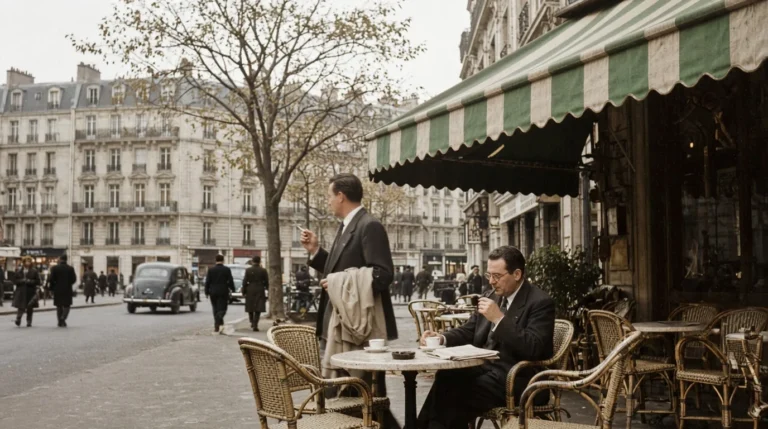
A man reaches for a stone on the beach and cannot bring himself to touch it. That small failure is the beginning of Roquentin's nausea, the dawning horror at the sheer, unjustified thereness of everything that exists. Sartre's first novel turns a metaphysical shudder into a story, and it remains the truest door into existentialism there is.
Every book on this list was written twice, once by its author and once by a translator at another desk in another country. A guide to the best translated fiction, from the modern classics to the International Booker winners.
Albert Camus's 1942 essay confronts the only question philosophy cannot avoid: is life worth living in a universe without meaning? Through the Greek myth of Sisyphus — condemned to push a boulder uphill for eternity - Camus builds his philosophy of the absurd and arrives at an answer that is neither comforting nor despairing. One must imagine Sisyphus happy.

A friendship can end in a single published sentence and never be repaired. A love that never quite happened can shadow a woman for the rest of her life. Between these two fates lies the quiet art by which Beauvoir shaped what the world was allowed to know.

A phrase escaped this novel and entered every language, naming the trap that locks the moment you reach for the handle. Beneath Heller's terrible comedy of preening colonels and lethal paperwork lies a single unbearable truth about how institutions spend a human life. This is the real Catch-22 meaning, and why the book has never aged.

A thriller makes us turn the page; literary fiction makes us stop and look up. What literary fiction really is, how it differs from genre fiction, and twenty-two of the best literary fiction books to read.
The Myth of Sisyphus asked whether a life without meaning is worth living. The Rebel asks the harder question that follows: whether, in a world without guarantees, we may spill blood for a better one. Camus's answer cost him his closest friendship and remains one of the twentieth century's most necessary arguments.
For one evening every November, literary Britain holds its breath while a jury decides which novel will define the year. No other award remakes a book's fortunes so completely in a single night, and its winners are the closest thing the English novel has to a canon of the living.