Newsletter Subscribe
Enter your email address below and subscribe to our newsletter

Classics of world literature: the enduring books of every age and language, with guidance on what they mean, which translation to read, and where to begin.
A man reaches for a stone on the beach and cannot bring himself to touch it. That small failure is the beginning of Roquentin's nausea, the dawning horror at the sheer, unjustified thereness of everything that exists. Sartre's first novel turns a metaphysical shudder into a story, and it remains the truest door into existentialism there is.
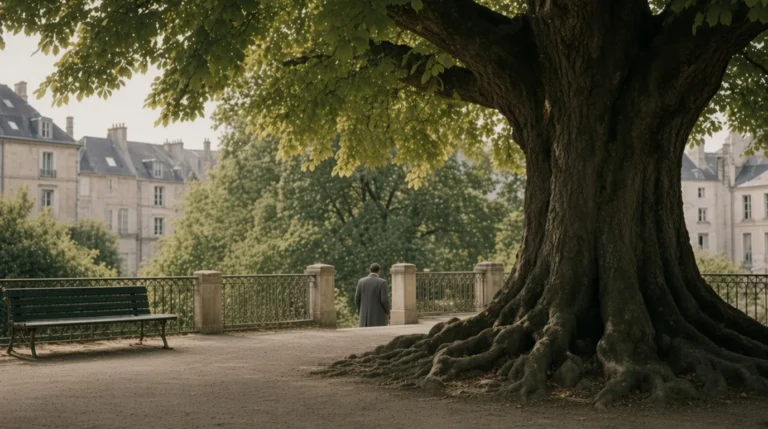
A friendship can end in a single published sentence and never be repaired. A love that never quite happened can shadow a woman for the rest of her life. Between these two fates lies the quiet art by which Beauvoir shaped what the world was allowed to know.

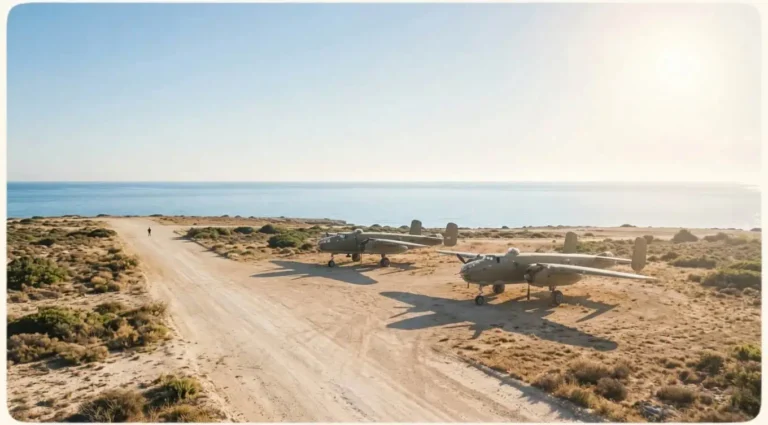
A phrase escaped this novel and entered every language, naming the trap that locks the moment you reach for the handle. Beneath Heller's terrible comedy of preening colonels and lethal paperwork lies a single unbearable truth about how institutions spend a human life. This is the real Catch-22 meaning, and why the book has never aged.
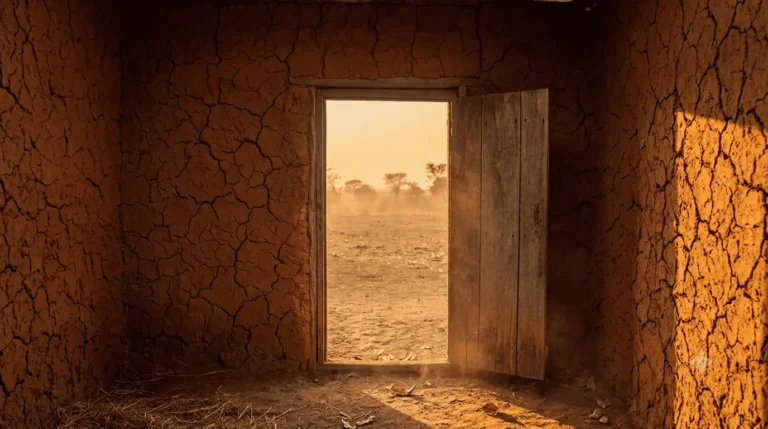
Some books are monuments; a few are doorways. Chinua Achebe's Things Fall Apart is the door through which the whole tradition of modern African literature is entered, and it refuses every easy sympathy it seems to invite. A reckoning with a culture worth grieving and a man who helped author his own fall.
This 10th grade reading list brings together essential works of world literature – from ancient Greek drama to 19th-century realism and early modernism. These texts develop critical thinking, expand cultural awareness, and build the literary foundation students will carry through…
Most 12th grade reading lists out there are predictable and dull, recycling the same ten or fifteen titles without much thought. This guide takes a different approach. Instead of sticking to a narrow Western canon, we’ve built a collection of books that truly changed literature and thought across continents; from Dostoevsky’s Crime and Punishment in Russia to Cortázar’s Hopscotch in Argentina, from Achebe’s Things Fall Apart in Nigeria to Kawabata’s Snow Country in Japan. This isn’t about showing off on a bookshelf, it’s about diving into books that challenge and expand how we see the world.
A nameless, spiteful man speaks to us from a cellar in Petersburg and insists on a freedom so absolute that he will choose his own suffering rather than be made happy by reason. Dostoevsky's short, savage confession is where the anti-hero was born and where existentialism first found its voice.
In 1884 Zola went down a mine; at his funeral the miners chanted the title of the book he made from it. Fifteen great novels of work, from the coal pits of France to the fish canneries of Brittany, and what each says about the cost of labour.

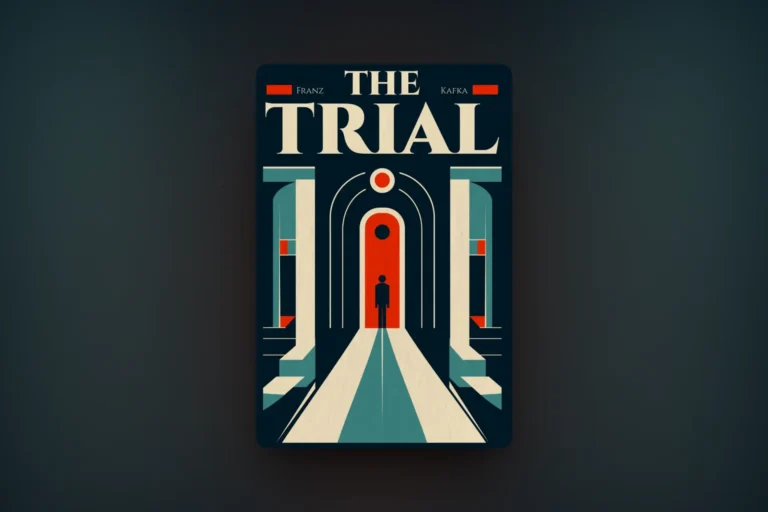
One ordinary morning a man is arrested for a crime no one will name, and some part of him comes to believe he is guilty. Kafka laughed when he read it aloud. An essay on The Trial: its story, its origins, the parable at its heart, and the best translation.
If the Pulitzer is decided in a boardroom, the National Book Award is decided in an argument among writers, and it shows. Its winners read like an alternative history of the American novel, drawn by the people who make them.
At Patriarch's Ponds, on a hot spring evening, a stranger with one green eye and one black sits down beside two Moscow writers, and the Devil has arrived. Bulgakov's novel of Stalin's Moscow, Pontius Pilate and a woman who bargains with Satan for love.
